

Culture & Museums
Culture and Museums in Reggio Calabria brings together more than forty places that tell the story of a city founded by the Greeks and shaped by Romans, Byzantines and Normans. Start with the National Archaeological Museum, home of the Riace Bronzes, then explore the other sites below.
About Culture and Museums
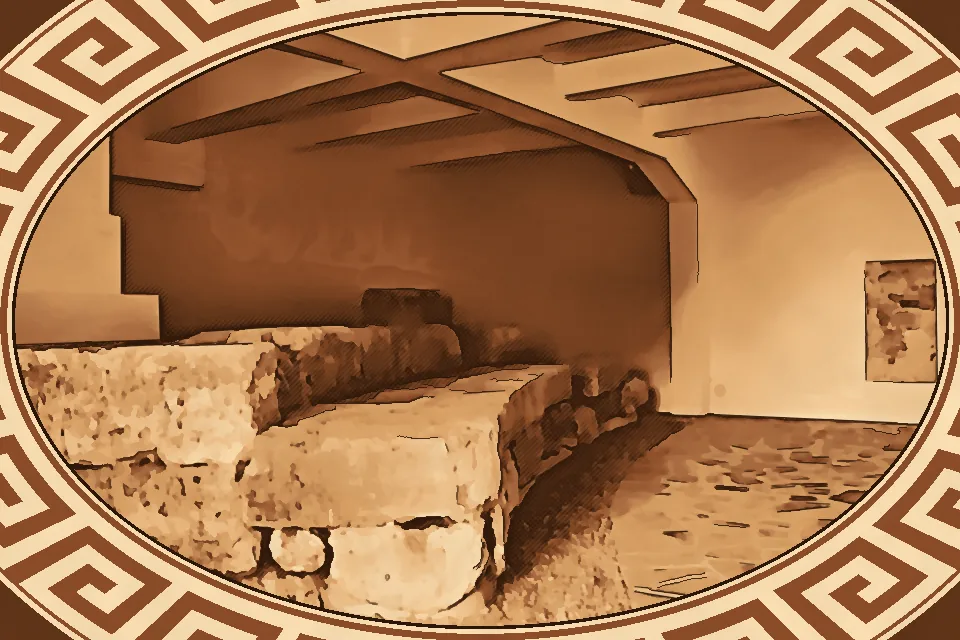
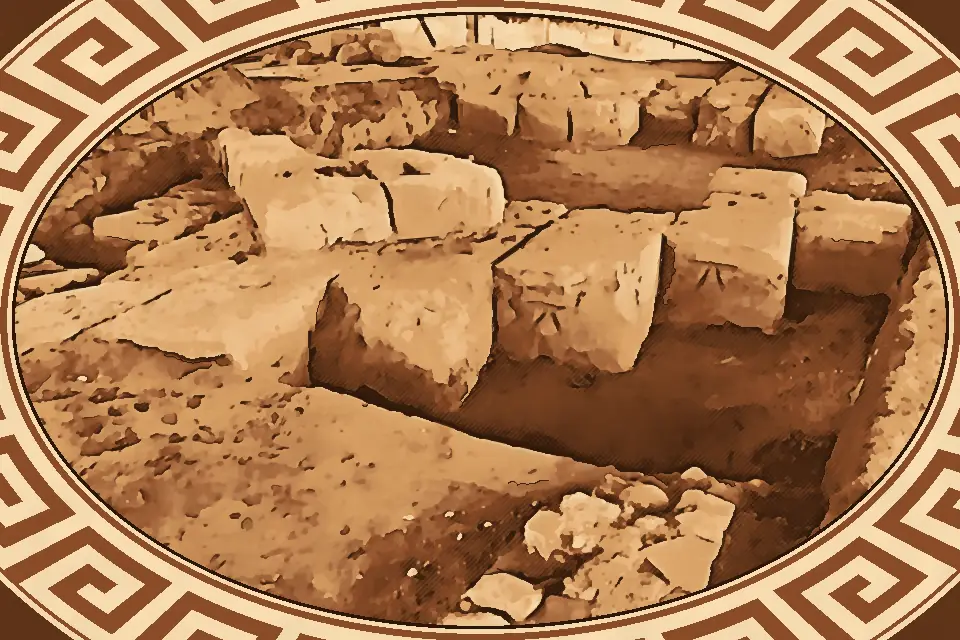
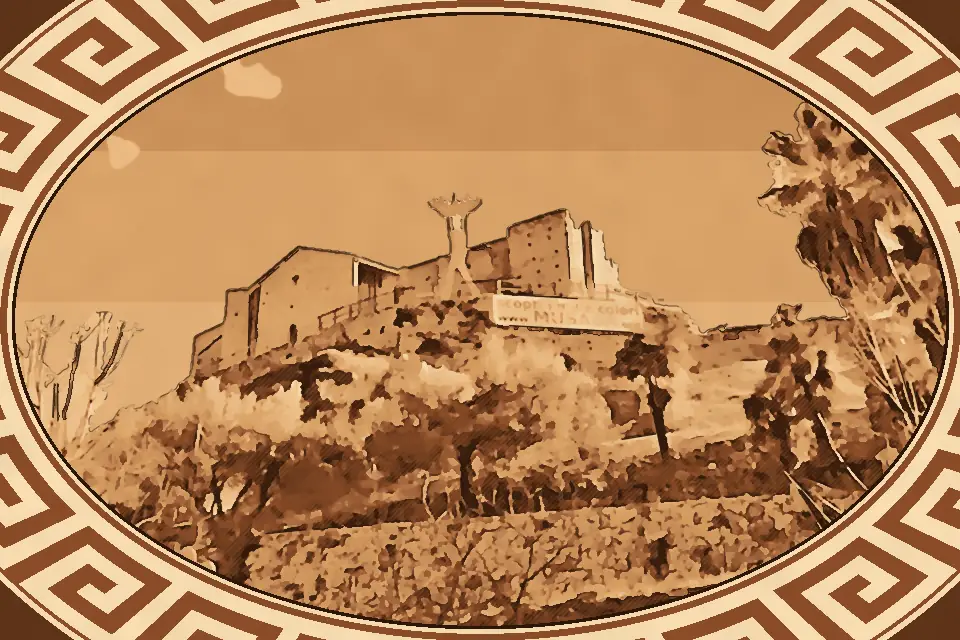
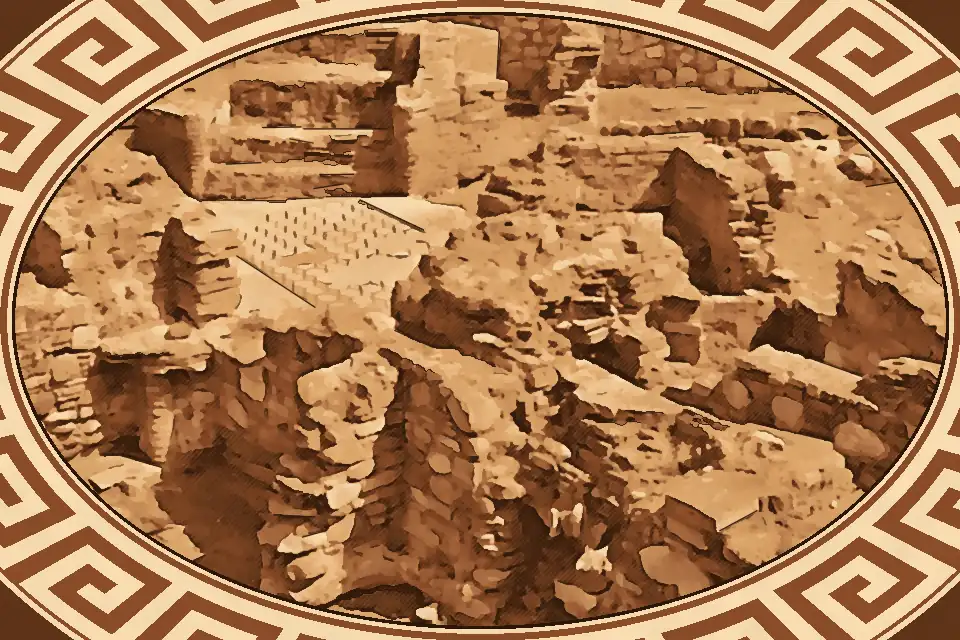
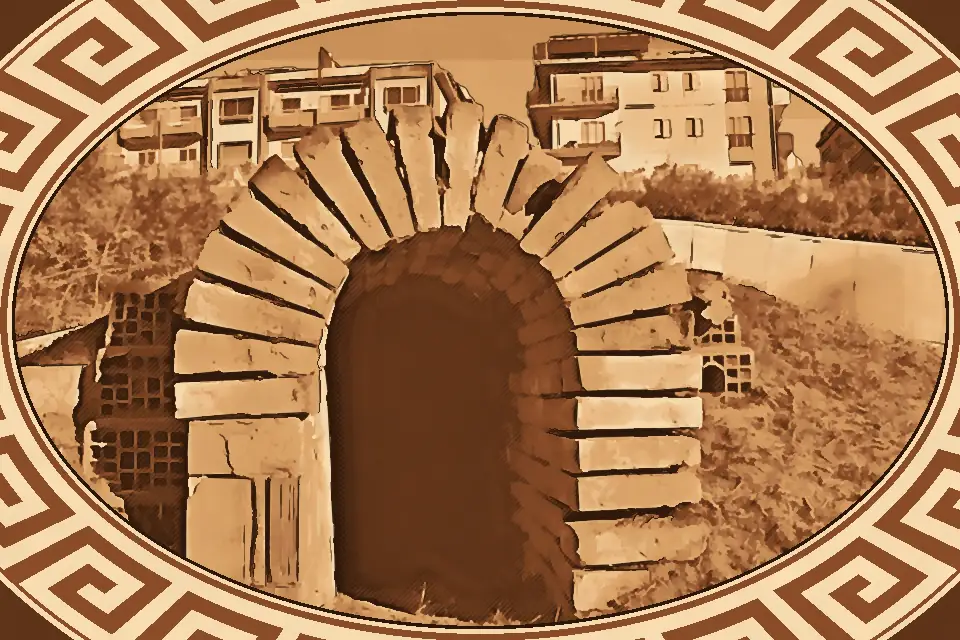
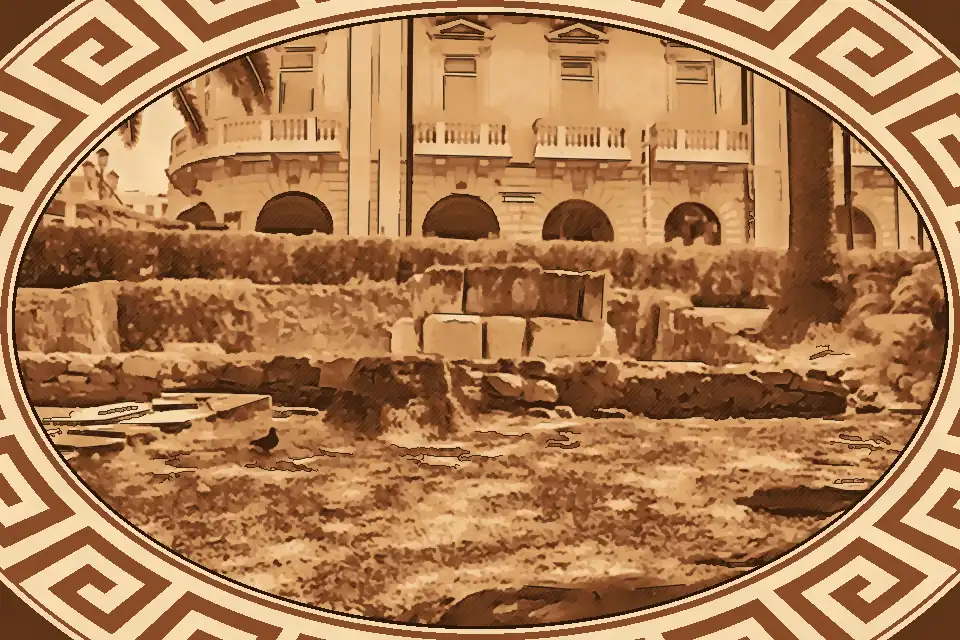
The cultural heritage of Reggio Calabria begins with Rhegion, the Greek colony that grew here in the eighth century before Christ and became one of the most important cities of Magna Graecia. That long story is still visible today. The Greek Walls on the seafront, the Hellenistic tombs, the Odeon and the Roman Baths show how the city lived across the centuries, and the Hypogeum of Piazza Italia and the Treasures of Reggio Calabria tour make it possible to walk among ancient layers hidden under modern streets.
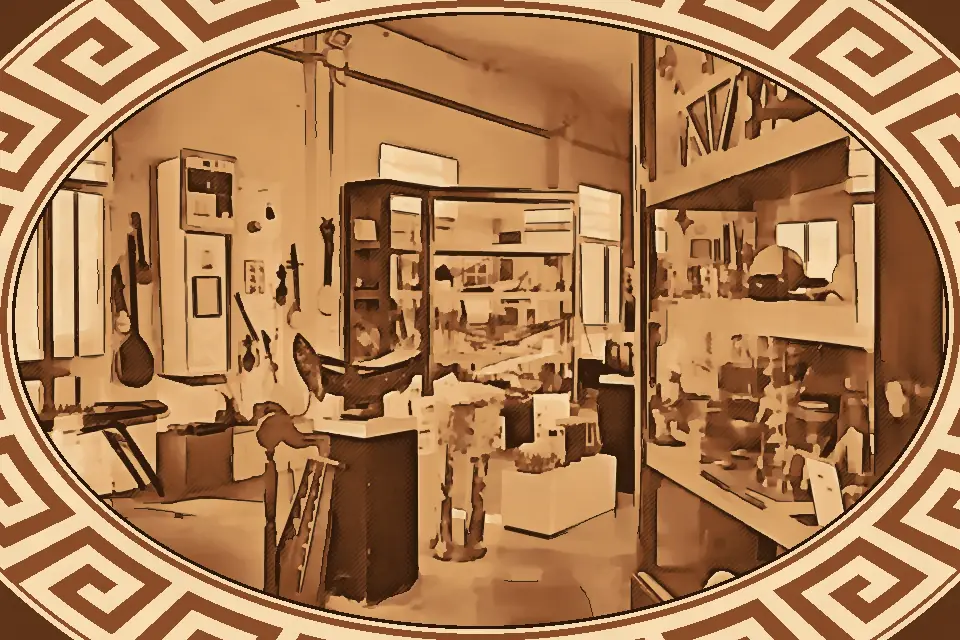
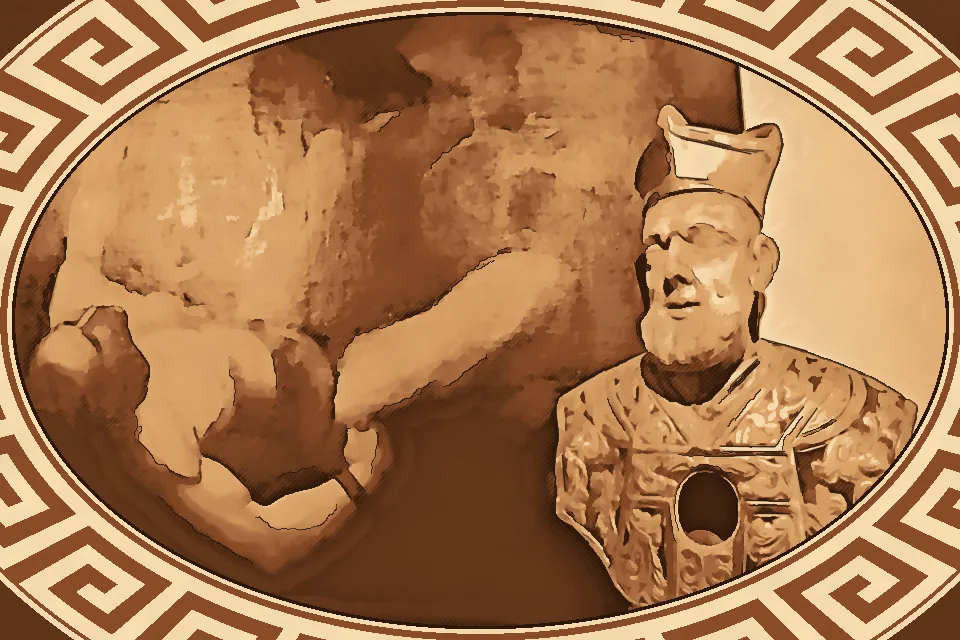
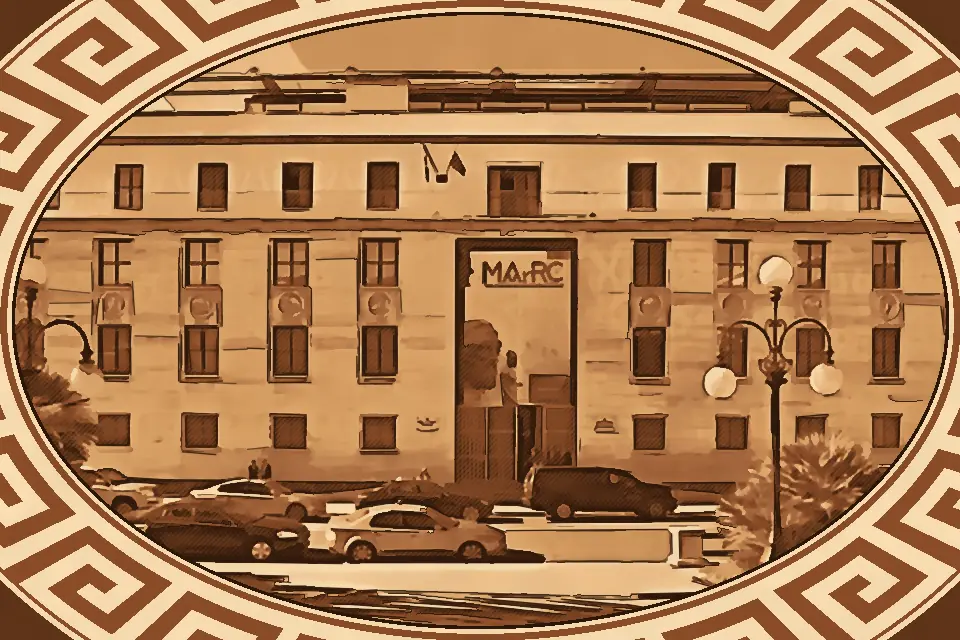
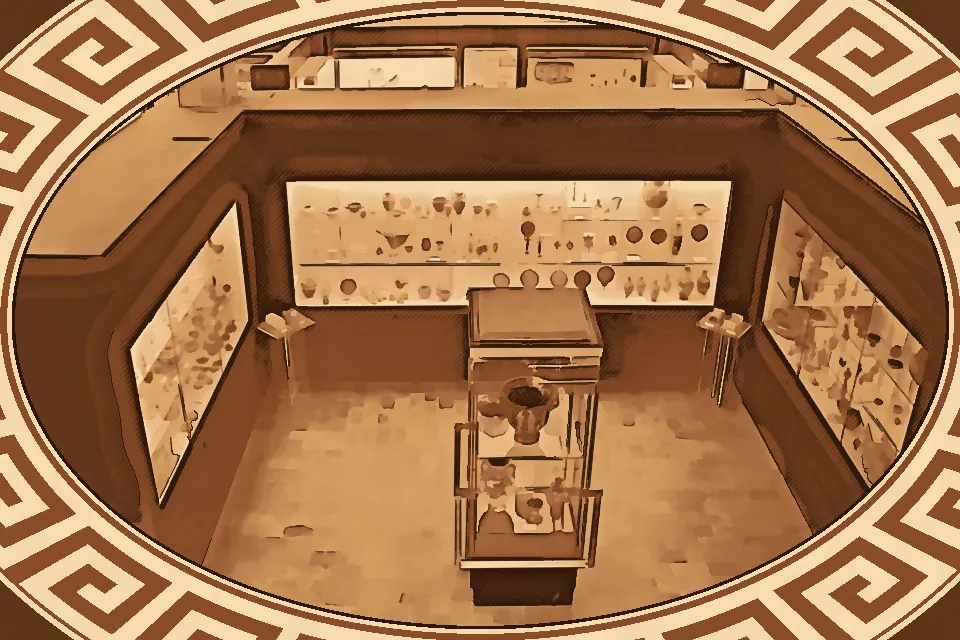
The National Archaeological Museum is the natural center of any visit. Its collection leads from prehistoric finds to the Greek colonies of southern Italy and culminates in the Riace Bronzes, two statues of warriors recovered from the Ionian Sea in 1972 and considered among the greatest masterpieces of ancient sculpture. Around it, smaller institutions such as the Pinacoteca Civica, the Museum of Silk, the National Museum of Bergamot and the Museum of the Musical Instrument give a more intimate view of local art, crafts and traditions, including the citrus fruit that grows almost exclusively on this coast.
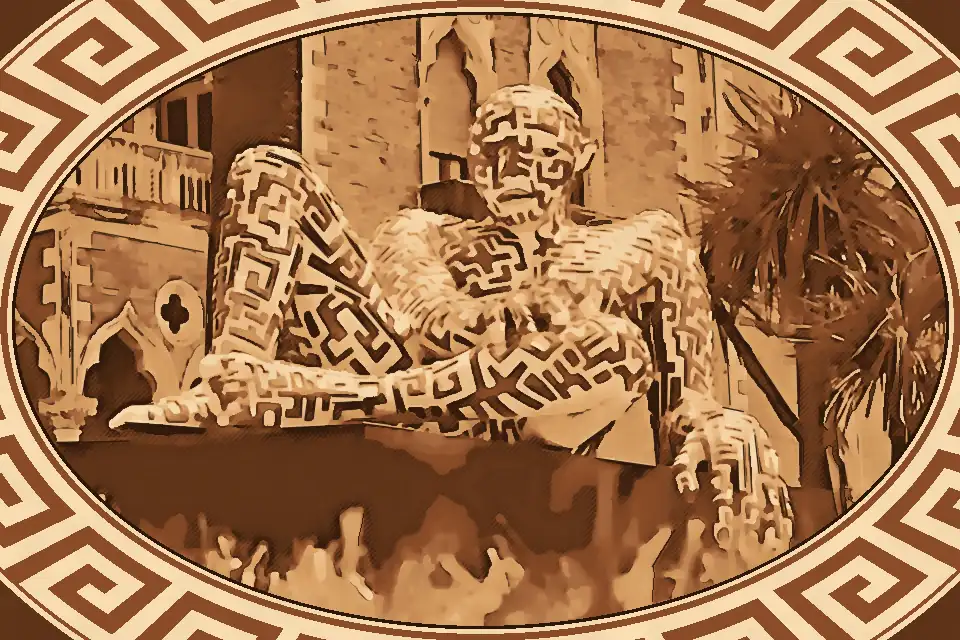
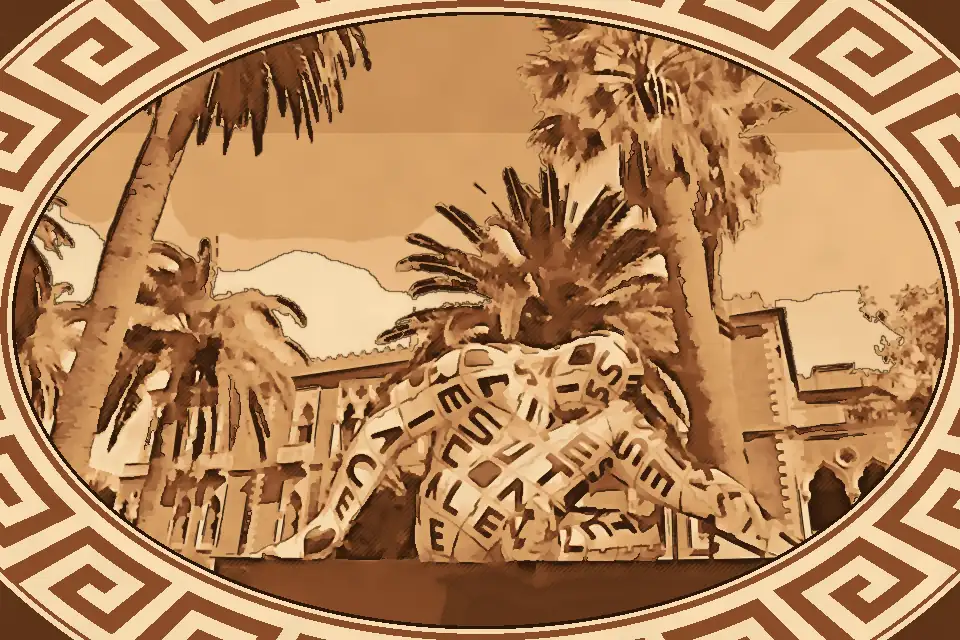
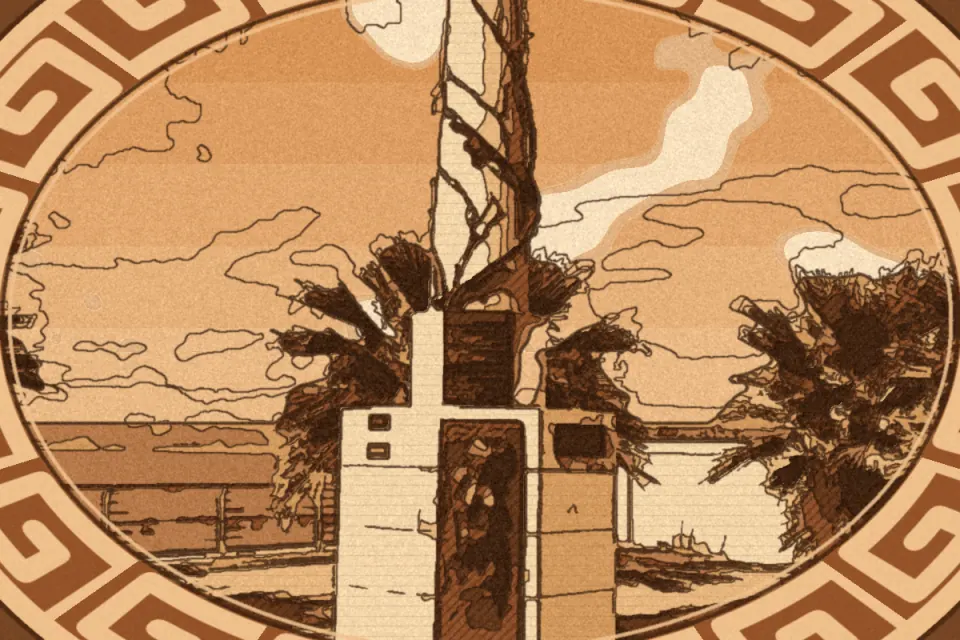
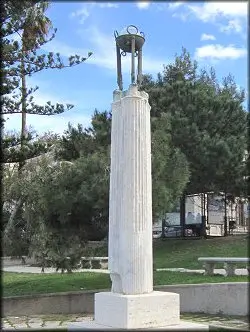
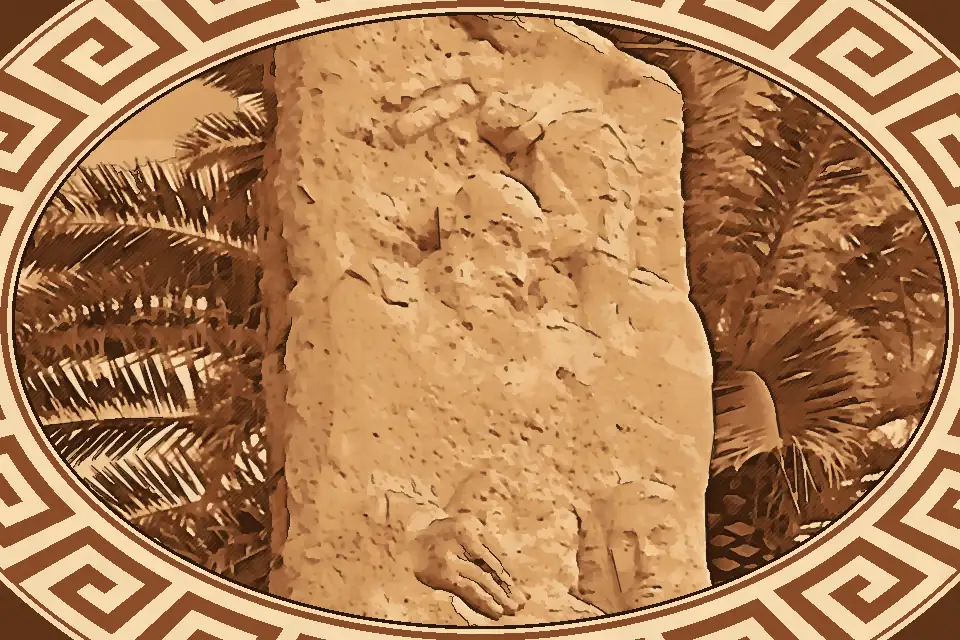
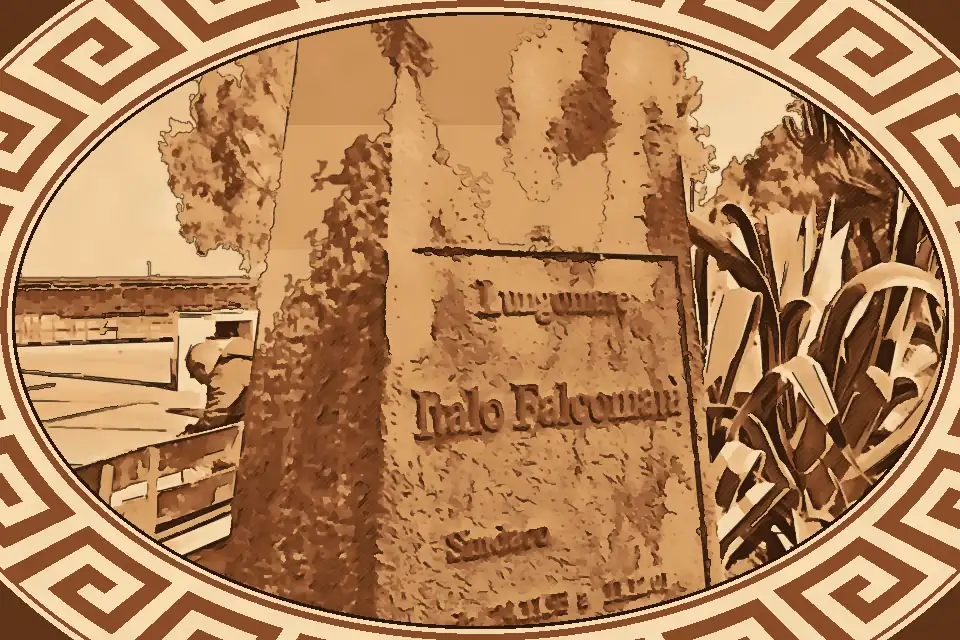
After the earthquake of 1908 the city was rebuilt with a modern plan, and many of its monuments date from that period of renewal. Palazzo Campanella, Palazzo San Giorgio, the Francesco Cilea Theater and the Municipal Library show the ambition of the new Reggio, while statues and steles dedicated to Garibaldi, Vittorio Emanuele II, Corrado Alvaro and Italo Falcomata remember the people who shaped its identity. Contemporary art adds a fresh voice, with sculptures by Rabarama, the airy installation by Edoardo Tresoldi and the Fountain La Luminosa animating squares and promenades.
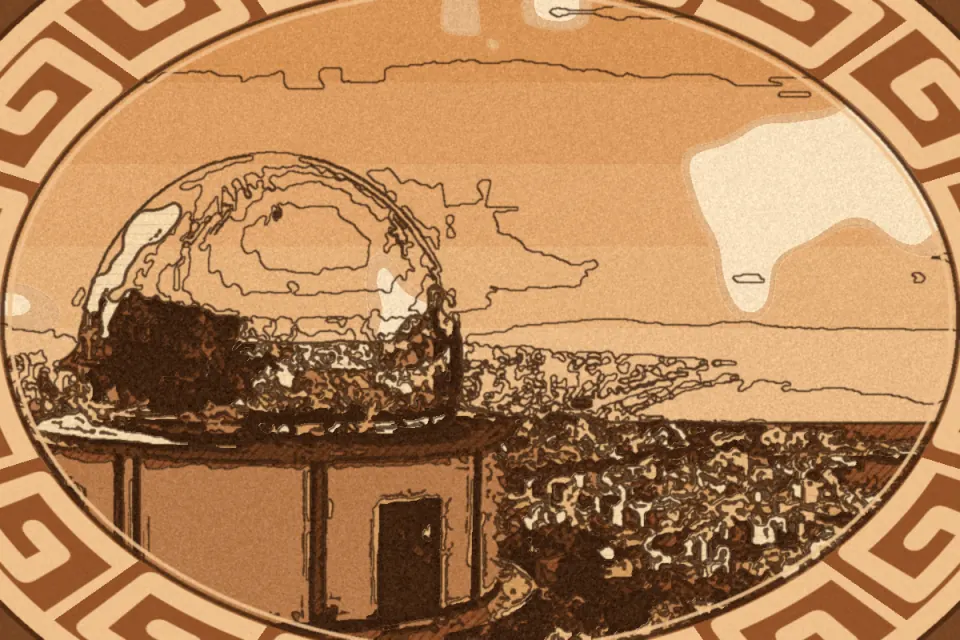
For this reason the category works well for every kind of visitor. Families can enjoy the Planetarium Pythagoras and the open air sculptures, history lovers can follow the Greek and Roman trail, and travelers with limited time can focus on the museum, the castle and the seafront. Each page lists opening information, context and nearby places, so you can build a cultural itinerary that fits your pace.